When you purchase portable power gear via links on Sine & Cell, we may earn an affiliate commission at no added expense to you. How Sine & Cell earns affiliate commissions
The EcoFlow DELTA Pro ecosystem occupies a distinct tier in off-grid and emergency power: large-format, high-capacity stations engineered to bridge the gap between small camping generators and permanent standby electrical systems. When weighing a unit in this class for emergency home backup, the buying decision hinges on cold electrical fundamentals—continuous inverter ratings, surge handling for inductive motor loads, actual battery chemistry, and physical transport limitations.
Because units carrying the DELTA Pro branding are substantial investments, buyers frequently explore open marketplaces alongside official distributor channels. Doing so introduces critical listing ambiguities, from conflicting model designations (such as the original DELTA Pro versus the newer DELTA Pro 3 and DELTA Pro Ultra) to severe pricing anomalies. Below, we break down what the DELTA Pro platform delivers, how the hardware operates under residential backup loads, and how to scrutinize specific listings to ensure you receive genuine, compatible hardware.
Understanding the DELTA Pro Architecture for Home Backup
A portable power station intended for residential resilience must balance stored energy (measured in watt-hours, Wh) with instantaneous power delivery (measured in watts, W). When an outage strikes, common domestic appliances present sharply different demands:
- Resistive loads: Space heaters, electric kettles, and toaster ovens draw steady wattage without dramatic startup spikes. If an inverter is rated for 3,600W continuous output, running an 1,800W heater consumes roughly half of its inverter capacity, but will drain a 3,600Wh pack in roughly two hours under typical conversion efficiencies.
- Inductive motor loads: Refrigerators, chest freezers, well pumps, and air conditioners require severe startup surges—often two to three times their operational running wattage—to overcome locked-rotor amperage. A heavy-duty power station must provide sufficient momentary surge headroom to prevent inverter overload trips during compressor startup.
- Sub-panel integration: Powering household circuits directly through a manual transfer switch requires verifying output voltage. Standard standalone portable stations provide 120V split-phase or single-phase output, while heavy appliances (such as central air conditioners or electric dryers) require a 240V split-phase architecture, requiring either specialized hub pairings or higher-tier systems like the Pro 3 or Ultra platform. For broader system planning, evaluate our guide to solar generators for home backup.
A battery pack's nominal capacity does not equal 100% delivered AC runtime. Direct current (DC) stored in the cells must pass through an inverter to produce alternating current (AC), typically operating at 80% to 88% overall efficiency. Parasitic draws, such as cooling fans and active telemetry displays, also consume continuous baseline power.
Evaluating Available DELTA Pro Hardware Listings
Third-party marketplaces frequently list high-end power stations alongside expansion batteries and peripheral cables. When evaluating open-market offers, always cross-reference the seller's title, price, and supplied imagery against manufacturer baseline specifications.
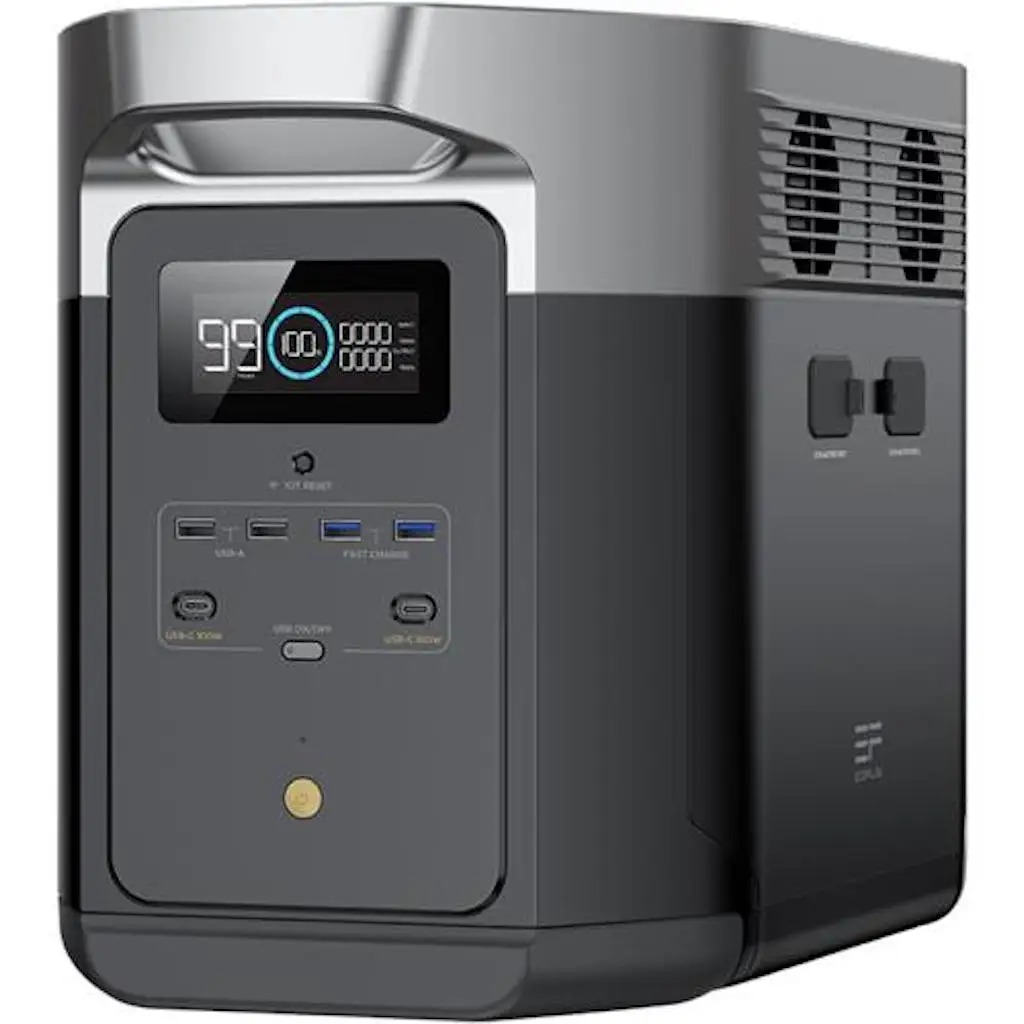
The listing above presents an immediate verification challenge. While the product title mentions "EcoFlow DELTA Pro 3" and references an "EU Version Plug" alongside promotional "Buy 2 Get 1 Free" phrasing, the accompanying image depicts a compact chassis resembling the mid-sized DELTA 2 series rather than the heavy, wheeled DELTA Pro 3 housing. Furthermore, standard DELTA Pro units typically weigh over 90 lbs (40 kg) and sell at substantial commercial price points; a displayed price near $450 is radically lower than typical flagship hardware. Buyers must clarify with the seller whether the item offered is a genuine DELTA Pro 3 base unit, a smaller DELTA model, or an accessory before placing an order.
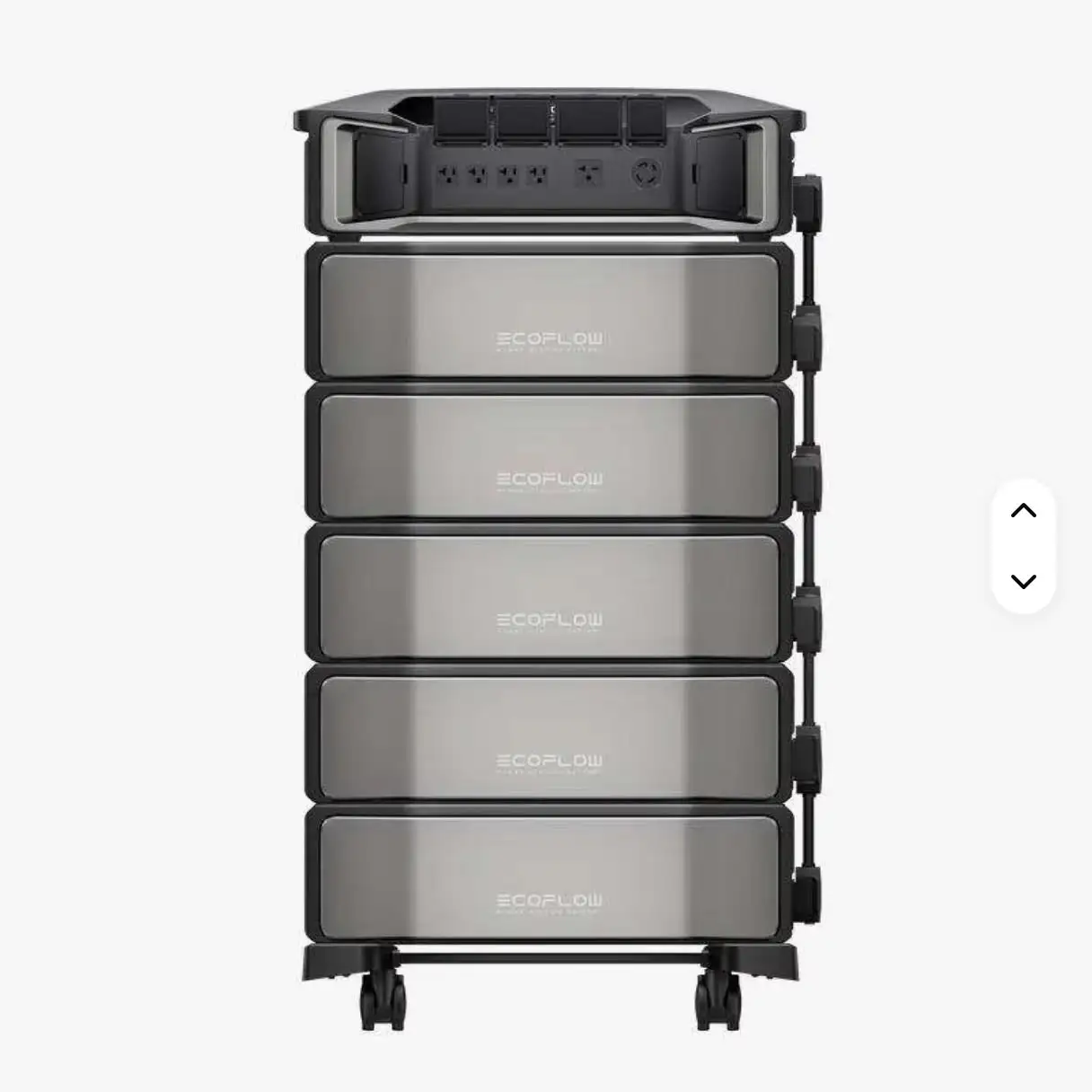
Similarly, Listing 2 advertises an "EcoFlow Delta Pro Ultra X Powerstation with 5x Ultra X Expansion Batteries - 30,720 Watt Hours" for a reference price near $414. A complete multi-battery home microgrid of over 30 kWh represents a tier of residential equipment that generally requires freight delivery and thousands of dollars in investment. A listing offering over 30 kWh of battery storage alongside promotional giveaways at this price level strongly suggests either an erroneous listing, a single mounting accessory, or an unverified seller account. Exercise extreme caution, demand written SKU confirmations, and verify the seller's return policies.
Expanding Capacity: Smart Extra Batteries and Peripherals
For genuine systems, modular expansion allows users to scale runtime without purchasing redundant inverters. Integrating an extra battery doubles stored watt-hours while utilizing the main unit's existing AC outlets, display, and charging circuits.
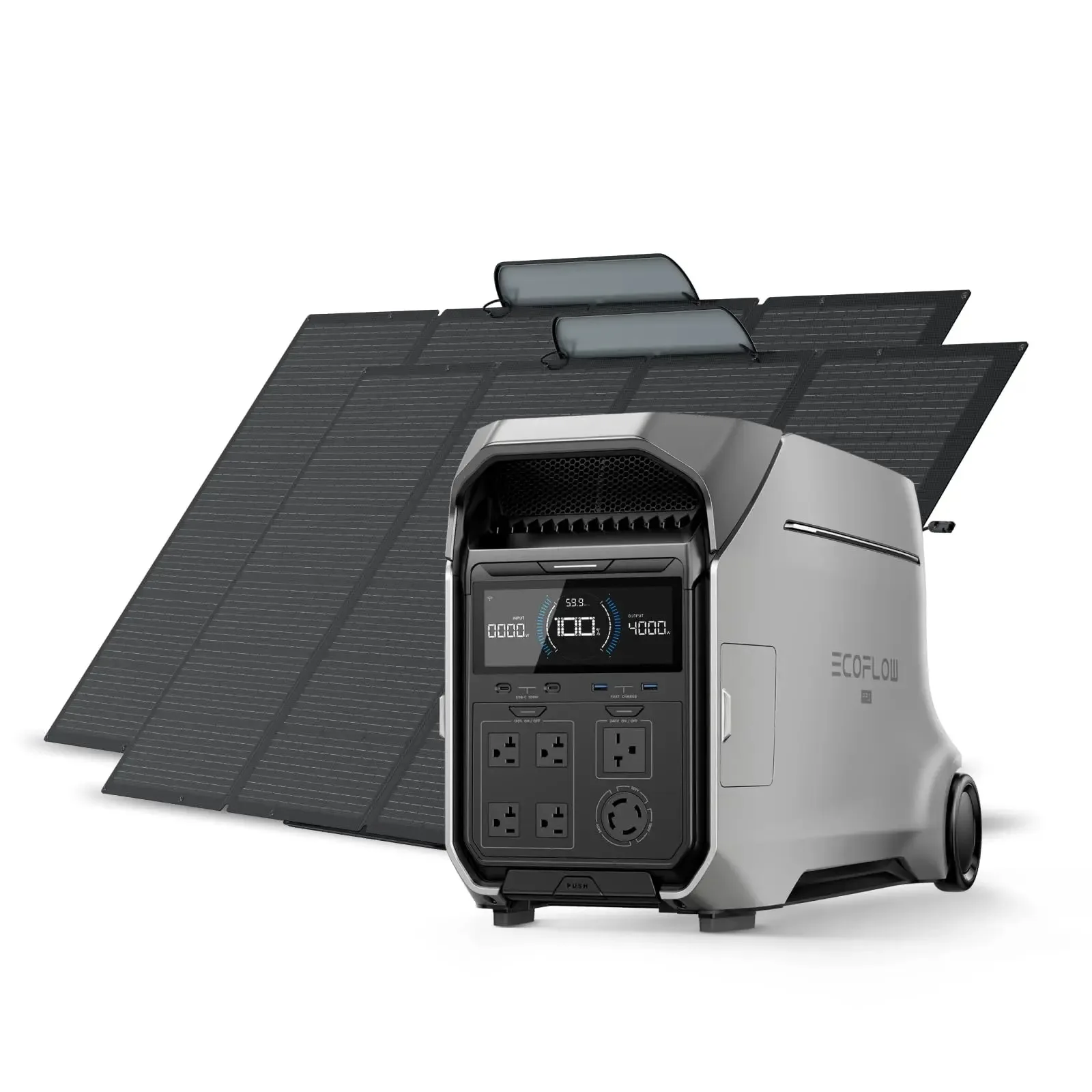
The listing above advertises an "EcoFlow DELTA Pro Smart Battery" stating 3,600Wh capacity expandable up to 25kWh with 3,600W output. However, the accompanying visual reference depicts a complete rolling DELTA Pro 3 power station paired with solar panels rather than a standalone expansion battery module. Because smart extra batteries rely on specialized proprietary high-current expansion cables to communicate with the host station's Battery Management System (BMS), confirm whether the package includes the connection harness and matches the generation of your host unit.
For more insights on sizing inverters and storage capacities accurately across brands, consult our overview of portable power stations.
Remote Monitoring and Solar Input Interfaces
Operating a high-output power station during an extended grid failure often means placing the heavy power unit in a basement, garage, or utility closet, near a transfer switch or exterior solar pass-through. Dedicated controllers and proper wire gauges become vital operational links.

Remote displays allow you to monitor discharge percentages, remaining runtime, and real-time input wattage without opening utility closures. The display shown in Listing 4 mirrors the central telemetry console of the first-generation DELTA Pro. When purchasing third-party remotes, verify whether communication functions over Bluetooth, Wi-Fi, or an Ethernet cable, and confirm that the firmware on your base unit supports secondary display pairing.

Recharging substantial battery banks during an outage requires an adequate solar array. Listing 5 details an XT60i adapter cable designed to interface standard MC4-style solar panel leads with the DC input port found on many portable stations. If you plan to deploy high-wattage arrays, explore our detailed breakdown on selecting and wiring folding solar panels.
Never exceed the maximum open-circuit voltage (Voc) rating of your power station's internal Maximum Power Point Tracking (MPPT) charge controller. Exceeding input voltage thresholds will damage the controller and typically voids equipment warranties. Always consult your station's official user manual for maximum voltage, amperage, and XT60/XT60i pin configurations.
Platform Comparison: Specification Claims vs. Real-World Readiness
When planning emergency infrastructure, distinguishing between nominal marketing figures and verified operational constraints prevents failure during an actual power interruption.
| Component / Listing | Advertised Capacity / Spec | Target Application | Critical Verification Factor |
|---|---|---|---|
| Listing 1: DELTA Pro 3 Variant | Title claims Pro 3 / EU Plug | Mobile AC backup / Outdoor power | Check exact unit model received; image conflicts with Pro chassis. |
| Listing 2: Pro Ultra X Bundle | 30,720Wh with 5x Expansion | Whole-home microgrid storage | Severe pricing anomaly. Confirm what hardware actually ships. |
| Listing 3: DELTA Pro Smart Battery | 3,600Wh / 3,600W rating stated | Storage runtime expansion | Confirm if extra battery harness is included and generation matches. |
| Listing 4: Remote Controller | Intelligent remote operation | Auxiliary telemetry monitoring | Verify firmware compatibility and connection medium (wired vs. wireless). |
| Listing 5: XT60i Solar Lead | 2m / 6.5ft MC4-to-XT60i-F | Photovoltaic charging link | Check conductor wire gauge and connector polarity before plugging in. |
Pre-Purchase Checklist: Avoiding Costly Pitfalls
Before purchasing high-capacity battery units from third-party marketplace storefronts, perform the following due-diligence checks:
- Verify the exact model number: The original DELTA Pro, the DELTA Pro 3, and the DELTA Pro Ultra utilize distinct battery formats, voltage ranges, and expansion ports. Accessories and smart batteries are generally not cross-compatible across differing generations without specialized adapters.
- Evaluate pricing against physical realities: High-grade Lithium Iron Phosphate (LiFePO4 / LFP) cells and multi-kilowatt pure sine wave inverters carry irreducible manufacturing and shipping weights. If a complete multi-kilowatt-hour station is listed for a few hundred dollars, inquire directly with the seller to ensure you are not buying an empty chassis, a small accessory, or a misrepresented listing.
- Check AC plug standards: Power stations designed for European distribution feature 230V Schuko outlets operating at 50Hz, whereas North American appliances require 120V NEMA outlets at 60Hz. Review product designations closely to avoid receiving incompatible regional hardware.
- Review return and freight policies: Hazardous material shipping regulations classify large-format lithium batteries under strict transport guidelines. Returning an oversized battery station often requires certified freight shipping rather than standard parcel return labels.
When selected correctly through verified channels, the EcoFlow DELTA Pro family provides formidable domestic energy security. Ground your purchase decisions in confirmed technical specifications, realistic continuous wattage limits, and direct verification of seller inventory.
Evaluation is based on published specifications and seller listings. No physical or hands-on testing was conducted; unlisted specifications may still be available from the seller.